

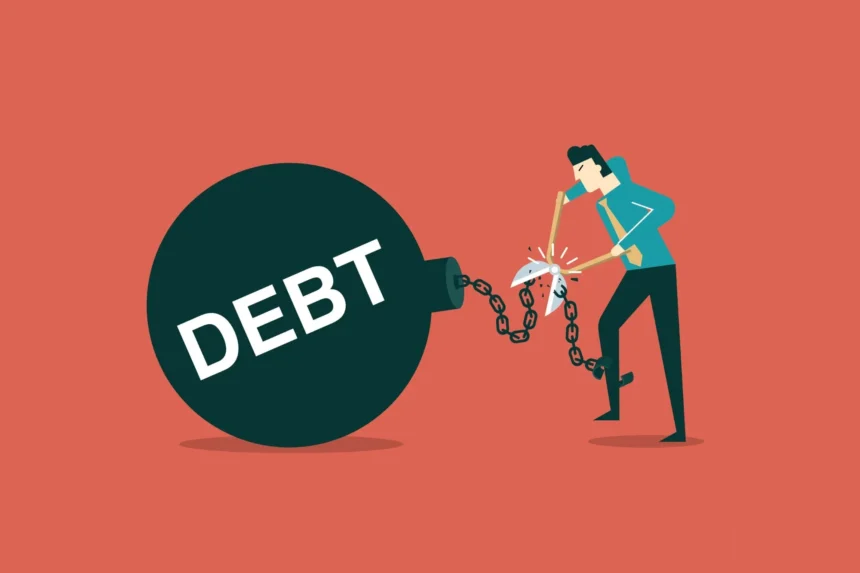
Debt is a reality for millions of Americans. Credit cards, personal loans, medical bills, student loans, and auto payments can quietly grow until they start controlling your financial life. If you’re actively searching for ways to reduce debt fast, you’re already taking the most important step—deciding to change the situation.
- Why Debt Feels So Hard to Escape
- Step One: Face the Numbers Without Fear
- Step Two: Stop the Bleeding
- Step Three: Use a Structured Payoff Strategy
- Step Four: Reduce Expenses Without Drastic Sacrifices
- Step Five: Increase Income to Speed Things Up
- A Short Focus Section: What Actually Speeds Debt Reduction
- Step Six: Lower Interest Rates Where Possible
- Step Seven: Avoid Common Debt Traps
- Step Eight: Build a Small Safety Net
- Track Progress and Stay Engaged
- How Fast Can Debt Really Be Reduced?
- Life After Debt
- Final Thoughts
This guide explains how to reduce debt fast in the U.S. using realistic strategies that work in real life. No hype, no extreme sacrifices, and no advice that only works on paper.
Why Debt Feels So Hard to Escape
Debt grows quickly in the U.S. mainly because of high interest rates and minimum payment structures. Credit cards often charge double-digit interest, which means a large portion of your payment goes toward interest rather than the balance. Add rising living costs and unexpected expenses, and debt can feel never-ending.
The key to reducing debt fast is strategy, not just effort.
Step One: Face the Numbers Without Fear
The first step to getting out of debt is clarity. Many people avoid looking at their full debt picture because it feels stressful, but avoiding it slows progress.
Take time to list every debt you owe, including balances, interest rates, and minimum payments. This creates awareness and helps you decide where to focus first. Credit reports from services like Experian can help ensure nothing is missed.
Once everything is visible, debt becomes manageable instead of mysterious.
Step Two: Stop the Bleeding
Reducing debt fast is nearly impossible if new debt keeps getting added. This doesn’t mean you’ll never use credit again, but it does mean tightening control temporarily.
Switching to debit or cash for everyday expenses, pausing non-essential purchases, and avoiding impulse spending creates immediate momentum. Even a short pause on credit usage can dramatically improve results.
Step Three: Use a Structured Payoff Strategy
Random payments slow progress. A focused plan accelerates it.
Most Americans succeed with one of two approaches:
- Paying off high-interest debt first to save money long term
- Paying off smaller balances first to stay motivated
Both methods work. What matters most is consistency and commitment. Choose the approach that fits your personality and stick with it.
Step Four: Reduce Expenses Without Drastic Sacrifices
Cutting expenses doesn’t mean living miserably. Instead of eliminating everything enjoyable, focus on areas where small changes make a big impact.
Reducing dining out, renegotiating phone or internet bills, canceling unused subscriptions, and planning groceries more intentionally can free up hundreds of dollars each month. That extra cash, when applied directly to debt, speeds up payoff significantly.
Step Five: Increase Income to Speed Things Up
One of the fastest ways to reduce debt is to temporarily increase income. Even short-term extra earnings can dramatically change timelines.
Many Americans do this through side work, freelance projects, weekend gigs, or selling unused items. The key is discipline—any extra income should go straight toward debt, not lifestyle upgrades.
This approach turns debt payoff from slow progress into visible results.
A Short Focus Section: What Actually Speeds Debt Reduction
- Paying more than the minimum every month
- Targeting one debt at a time
- Avoiding new credit use
- Applying extra income directly to balances
(These actions consistently produce faster results across income levels.)
Step Six: Lower Interest Rates Where Possible
Interest is one of the biggest obstacles to fast debt reduction. Many people don’t realize they can often lower it.
Calling credit card companies to request lower rates, exploring balance transfers, or consolidating high-interest debt into lower-interest options can significantly reduce how much you pay over time. Even a small reduction in interest can save hundreds of dollars annually.
Step Seven: Avoid Common Debt Traps
Many well-intentioned people slow their progress by making avoidable mistakes. These include relying only on minimum payments, consolidating debt without changing spending habits, or giving up after one difficult month.
Debt reduction is not a straight line. Setbacks happen, but progress continues as long as you stay consistent.
Step Eight: Build a Small Safety Net
Although it seems counterintuitive, having a small emergency fund helps reduce debt faster. Without it, unexpected expenses often push people back into credit card use.
A modest buffer—even a few hundred dollars—prevents setbacks and keeps progress intact.
Track Progress and Stay Engaged
Tracking progress keeps motivation high. Seeing balances drop reinforces good habits and builds confidence. Many Americans use simple tracking tools or apps to monitor debt payoff and monthly progress in one place.
Consistency matters more than speed.
How Fast Can Debt Really Be Reduced?
The speed of debt reduction depends on income, total balances, interest rates, and discipline. Some people eliminate thousands of dollars within a year, while others take longer. What matters is forward movement.
Reducing debt fast doesn’t mean rushing—it means working smart and staying focused.
Life After Debt
Once debt is under control, many people experience lower stress, improved credit scores, better savings habits, and greater financial confidence. More importantly, money decisions become proactive instead of reactive.
Debt freedom creates options—and options create peace of mind.
Final Thoughts
Learning how to reduce debt fast in the U.S. is not about extreme budgeting or unrealistic sacrifices. It’s about clarity, consistency, and using proven strategies that work in real life.
Start with what you have. Focus on progress, not perfection. Every payment moves you closer to financial freedom.
