

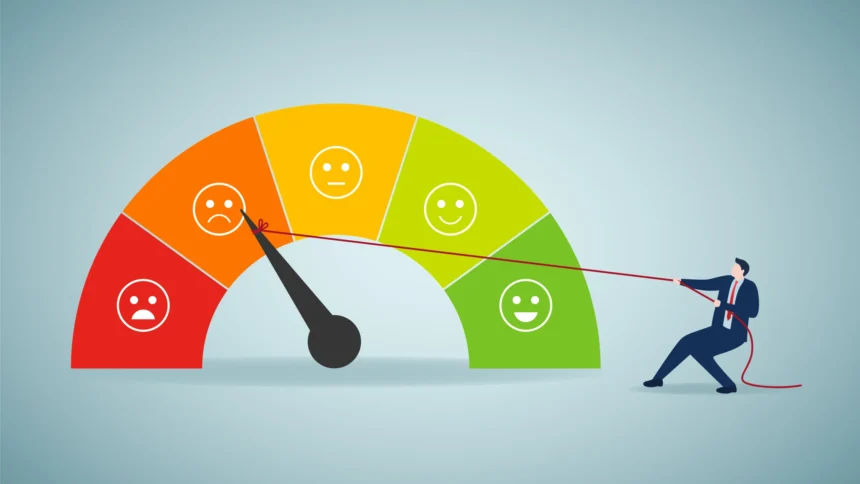
Your credit score plays a major role in your financial life in the United States. It affects whether you’re approved for a credit card, a car loan, a mortgage, or even an apartment—and it can determine how much interest you’ll pay over time. If you’re looking for reliable credit score improvement tips, the good news is that improving your score is absolutely possible with the right habits and patience.
- Why Your Credit Score Matters So Much in the U.S.
- Understand What Impacts Your Credit Score
- Pay Every Bill on Time—No Exceptions
- Lower Your Credit Card Balances Strategically
- Review Your Credit Report for Errors
- Avoid Opening Too Many New Accounts
- Keep Old Accounts Open When Possible
- A Short Focus Section: Habits That Improve Credit Scores
- Use Credit, Don’t Avoid It Completely
- Be Patient—Credit Improvement Takes Time
- Watch Out for Credit Repair Scams
- Track Your Progress Regularly
- Final Thoughts
This guide explains how Americans can improve their credit score step by step, using proven, realistic strategies—not shortcuts that put your finances at risk.
Why Your Credit Score Matters So Much in the U.S.
In the U.S. financial system, your credit score is often used as a trust signal. Lenders, landlords, and insurers rely on it to judge how responsibly you manage money. A higher score usually means lower interest rates, better loan terms, and more financial flexibility.
Even a small improvement in your credit score can save you thousands of dollars over the life of a loan.
Understand What Impacts Your Credit Score
Before trying to improve your score, it’s important to understand what affects it. Most U.S. credit scores are influenced by payment history, credit utilization, length of credit history, types of credit used, and recent credit inquiries.
Among these, payment history and credit utilization carry the most weight. That’s where improvement should begin.
Pay Every Bill on Time—No Exceptions
On-time payments are the foundation of a strong credit score. Even one missed payment can negatively impact your score for months or even years. This includes credit cards, auto loans, student loans, and any account reported to credit bureaus.
Setting up automatic payments or reminders ensures you never miss a due date. Consistency matters more than perfection—paying on time month after month builds trust with lenders.
Lower Your Credit Card Balances Strategically
One of the fastest ways to improve your credit score is by reducing how much credit you’re using. This is known as credit utilization. Ideally, your balances should stay well below your credit limits.
You don’t need to pay off every card immediately. Even reducing balances slightly can have a positive impact. Paying down cards with the highest balances first often produces noticeable results.
Review Your Credit Report for Errors
Credit report mistakes are more common than many people realize. Incorrect balances, outdated accounts, or even accounts that don’t belong to you can hurt your score unfairly.
Americans can check their credit reports through providers like Experian to identify and dispute inaccuracies. Correcting errors can sometimes lead to quick score improvements.
Avoid Opening Too Many New Accounts
Applying for new credit too frequently can signal risk to lenders. Each hard inquiry slightly lowers your score, especially when multiple applications happen within a short period.
If your goal is credit score improvement, it’s best to pause new credit applications unless absolutely necessary. Focus instead on improving existing accounts.
Keep Old Accounts Open When Possible
The length of your credit history matters. Older accounts show stability and long-term responsibility. Even if you don’t use an older credit card often, keeping it open (as long as it has no annual fee) can help your score.
Closing old accounts can shorten your credit history and increase utilization, both of which may lower your score.
A Short Focus Section: Habits That Improve Credit Scores
- Pay all bills on time
- Keep credit card balances low
- Check credit reports regularly
- Avoid unnecessary credit applications
(Simple habits, when done consistently, produce real results.)
Use Credit, Don’t Avoid It Completely
Some people believe avoiding credit entirely will improve their score. In reality, responsible use is better than no use at all. Small purchases paid off in full each month demonstrate healthy credit behavior.
Using credit wisely shows lenders that you can borrow and repay responsibly.
Be Patient—Credit Improvement Takes Time
There’s no overnight fix for credit scores. Improvements usually happen gradually as positive habits replace past mistakes. Late payments and high balances lose impact over time, especially when followed by consistent, responsible behavior.
Patience is a critical part of the process.
Watch Out for Credit Repair Scams
Many companies promise instant credit score fixes for a fee. Be cautious. Legitimate credit improvement comes from habits—not shortcuts.
No company can legally remove accurate negative information from your credit report. If an offer sounds too good to be true, it usually is.
Track Your Progress Regularly
Monitoring your credit score helps you stay motivated and catch issues early. Many Americans use free monitoring tools to track changes and understand what actions are helping or hurting their score.
Seeing gradual improvement reinforces good habits.
Final Thoughts
Improving your credit score in the U.S. is not about perfection—it’s about consistency. Paying on time, managing balances, and staying informed are the most powerful credit score improvement tips available.
Start small, stay disciplined, and give the process time. A better credit score doesn’t just improve your finances—it opens doors to better opportunities and long-term security.
